Bone Grafting in Reno & Fallon
Bone Grafting
Bone grafting rebuilds jawbone that has thinned after tooth loss, gum disease or injury, so a dental implant has a solid foundation. At Sierra Oral & Facial Surgery in Reno, grafts are often placed during a tooth extraction or implant visit, and the area typically heals in 3 to 6 months.
Or call (775) 284-2500Expert oral surgery care
Surgical training for routine and complex cases.
Personalized comfort options
A sedation plan based on your procedure and health history.
Guidance before and after
Clear preparation, recovery support and follow-up care.
Ask Sierra · AI patient concierge
Questions about bone grafting? Ask Sierra.
Get friendly, instant answers about bone grafting: what to expect, sedation, recovery and cost. Sierra answers any time of day, and our team is here when you're ready for a consultation.
- Photos of the procedure and our offices
- Videos of our team explaining your care
- Links to the right pages on our site
- A direct line to book your consultation
Prefer to talk to a person? Call (775) 284-2500 or request an appointment.
Hi, I'm Sierra.
I can walk you through bone grafting step by step, show photos and team videos, and point you to the right pages. What would you like to know?
What is bone grafting?
When a tooth is lost, the bone that held it begins to shrink. A bone graft adds bone or bone-like material to the area. Over time your own bone grows into the graft, creating a stronger base.
Common types include socket preservation right after an extraction, ridge augmentation to widen a narrow jaw, and a sinus lift to add bone in the upper back jaw.
Key facts
- Healing time: 3–6 months
- Often combined with extraction or implant
- Types: socket, ridge, sinus lift
Why consider bone grafting?
Your dentist or oral surgeon may recommend this treatment when there is an existing problem or a meaningful risk of future complications.
Patients planning dental implants who have thin or short bone
Anyone having a tooth extracted who may want an implant later
People with bone loss from gum disease, injury or long-term denture wear
Patients needing a sinus lift before upper back-tooth implants
Anyone whose bone has thinned after a tooth was lost years ago
People who want to restore facial support and jaw contour
Am I a candidate?
Most healthy adults can have a bone graft. Smoking and some medical conditions slow healing; your surgeon will plan around your health.
Request your evaluationWhat to expect from Sierra Oral & Facial Surgery
Our philosophy is simple: people first, through compassion, comfort and expertise. From your initial consultation through your recovery, we want you to feel informed, supported and confident in your care.
Step 1
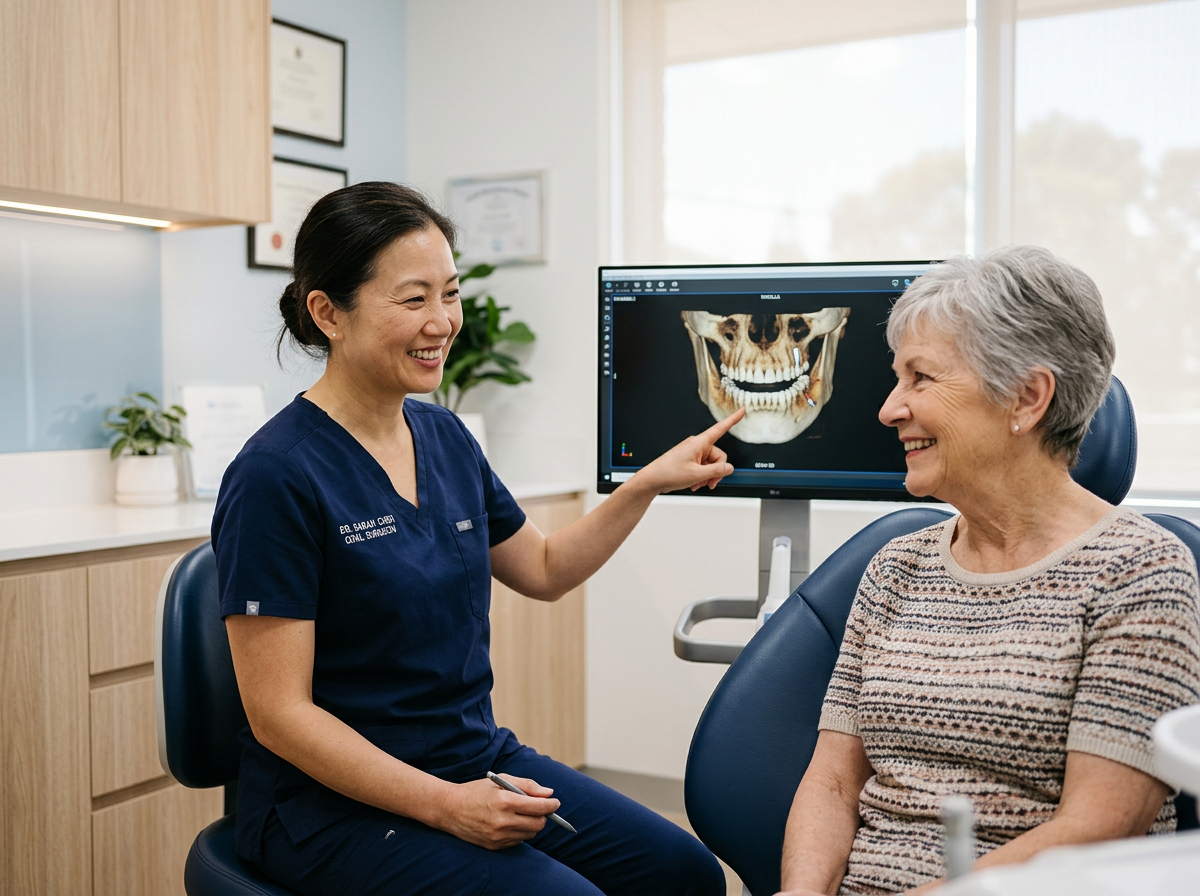
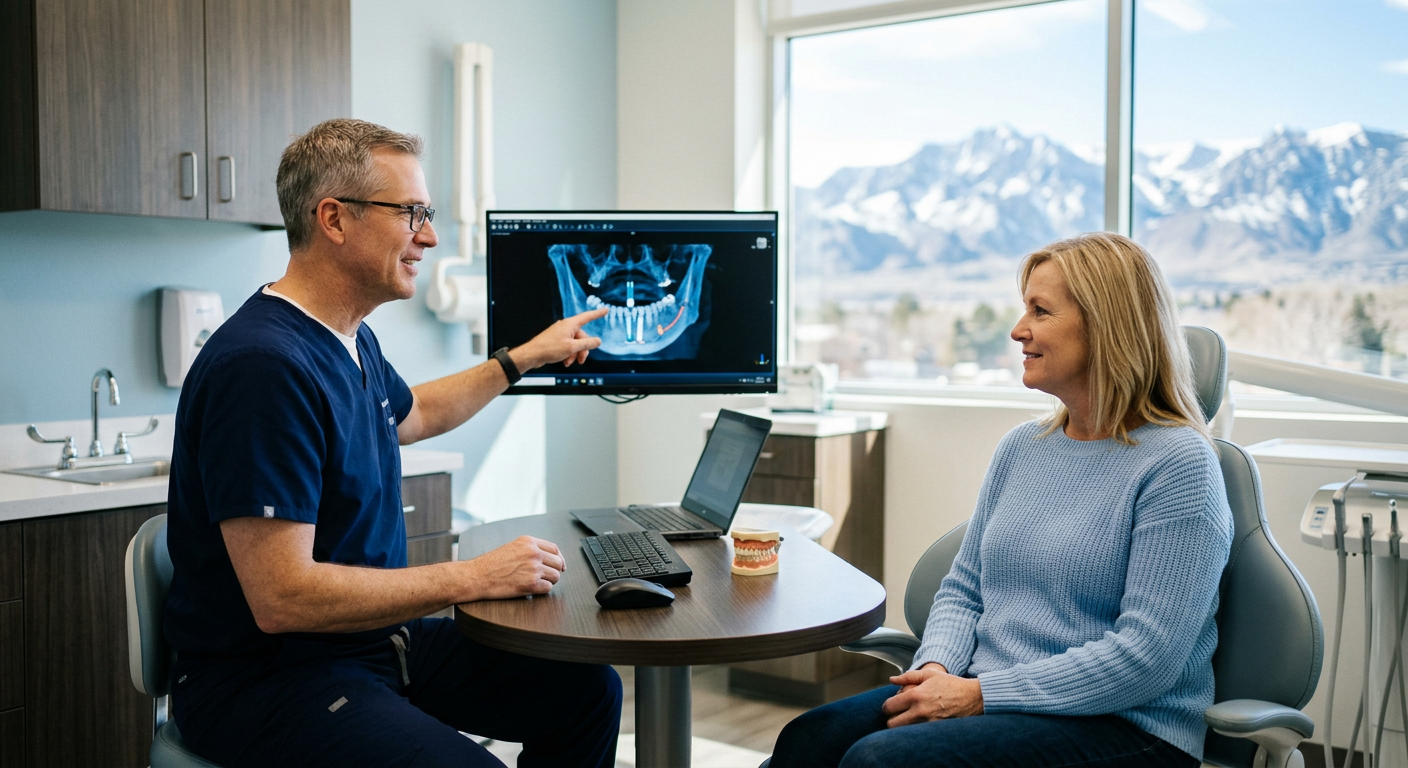
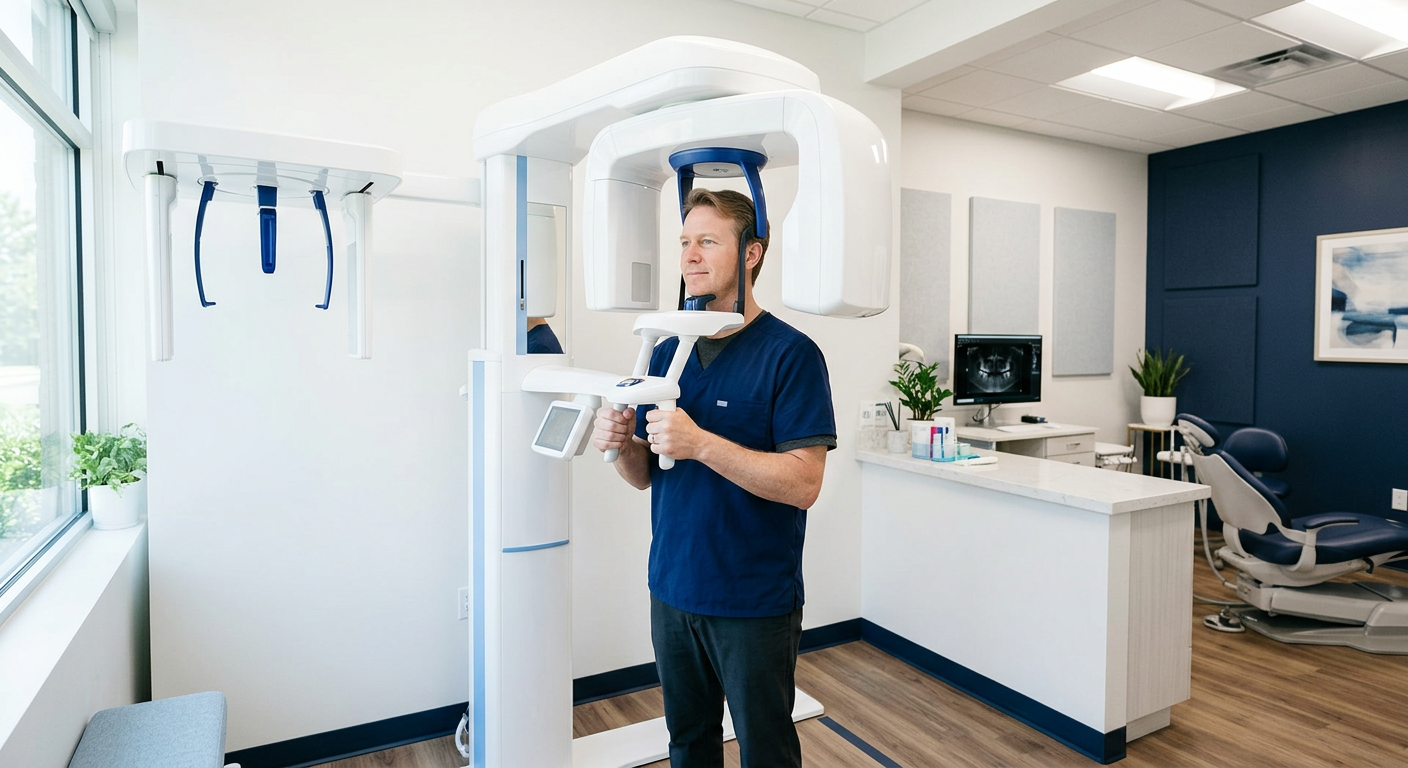
Evaluation with 3D imaging
A CBCT scan measures exactly how much bone you have and where it is needed.
Step 2
Graft placement
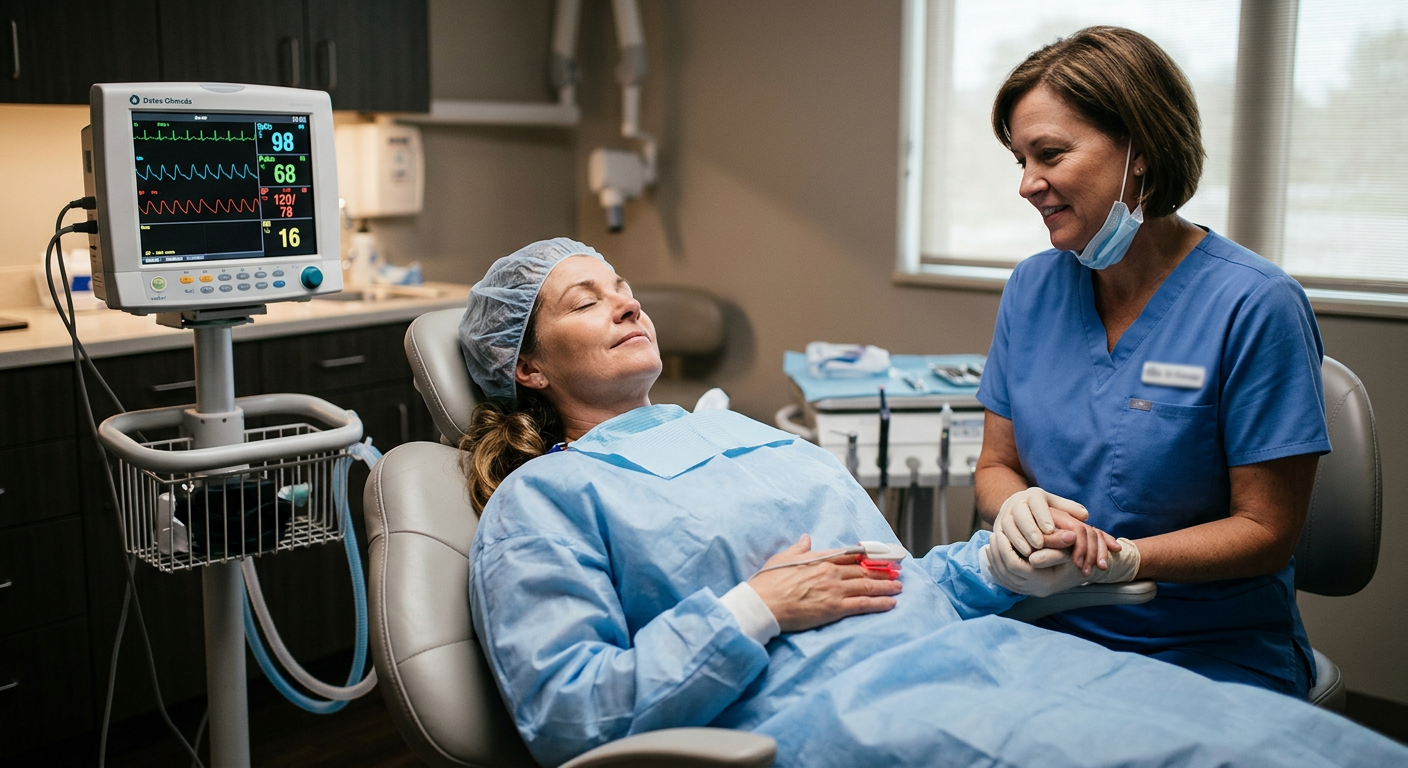
Under local anesthesia with optional sedation, your surgeon places the graft material and often a protective membrane, then closes the area with stitches.
Step 3
Healing
Your body gradually replaces the graft with your own bone over about 3 to 6 months.
Step 4
Implant placement
Once healed, the implant is placed in strong, healthy bone. Sometimes the graft and implant happen together.
Recovery
Your recovery timeline
Every patient heals at their own pace. Here is what most people can expect, and our team is a phone call away at every stage.
Phase 1
Days 1–3
Mild swelling and soreness. Ice, rest and soft foods help.
Healing progress
Phase 2
Week 1–2
Avoid chewing on the area. Stitches dissolve or are removed.
Healing progress
Phase 3
Months 3–6
The graft matures into your own bone, ready for an implant.
Healing progress
Risks and safety
Possible risks include infection, graft exposure or incomplete integration. Following post-op instructions closely makes the biggest difference in success.
Cost, insurance and financing
Cost depends on the graft type and size. Many patients combine grafting with extraction or implant visits to reduce appointments and cost. Estimates are provided at your consultation.
Learn about financing optionsWhy patients choose Sierra Oral & Facial Surgery
Care centered around you
We listen to your concerns, explain your options and build a treatment plan around your needs.
Experience you can trust
Our surgeons trained in hospital-based oral and maxillofacial surgery programs.
Comfort throughout treatment
Personalized anesthesia options, including IV sedation, so you feel at ease before and during your procedure.
Support during recovery
Detailed aftercare guidance, clear instructions and follow-up from a team that stays reachable.
- Dr. Falke’s residency research focused on bone regeneration and bone grafting
- 3D imaging to plan grafts precisely
- Grafting and implant care under one roof
Get to know your oral surgeons
Meet the experienced doctors who will guide you through your bone grafting evaluation, treatment and recovery.

Ryan R. Falke, DDS
Oral and Maxillofacial Surgeon, Founder
Dr. Ryan R. Falke, DDS founded Sierra Oral & Facial Surgery in Reno in 2016. He trained in oral and maxillofacial surgery at Loma Linda University and focuses on wisdom teeth, dental implants, bone grafting and sedation.
Meet Dr. Falke
Kimberly Bentjen, DDS, MD
Board-Certified Oral and Maxillofacial Surgeon
Dr. Kimberly Bentjen, DDS, MD is a board-certified oral and maxillofacial surgeon trained at Mayo Clinic. She holds both dental and medical degrees and has practiced in Reno since 2019.
Meet Dr. Bentjen
Still have questions about bone grafting?
Ask Sierra, our patient concierge, for photos, videos and next steps instantly.
Bone Grafting FAQ
Is a bone graft painful?
The area is numbed and sedation is available, so you should not feel pain during the procedure. Afterward most people have mild soreness for a few days.
Where does the graft material come from?
Grafts can come from donor bone, animal-derived bone or synthetic material, and sometimes your own bone. Your surgeon will explain the best choice for you.
How long after a bone graft can I get an implant?
Usually 3 to 6 months, depending on the graft size and location. In some cases the implant can be placed at the same time.
What is a sinus lift?
A sinus lift adds bone to the upper back jaw by gently raising the sinus floor, creating room for an implant where bone is too thin.
Do I need a bone graft after a tooth extraction?
If you are considering an implant later, socket preservation at the time of extraction can help keep the bone from shrinking.
Medically reviewed by Dr. Ryan R. Falke, DDS. Last reviewed .
Related services
Implants & Bone
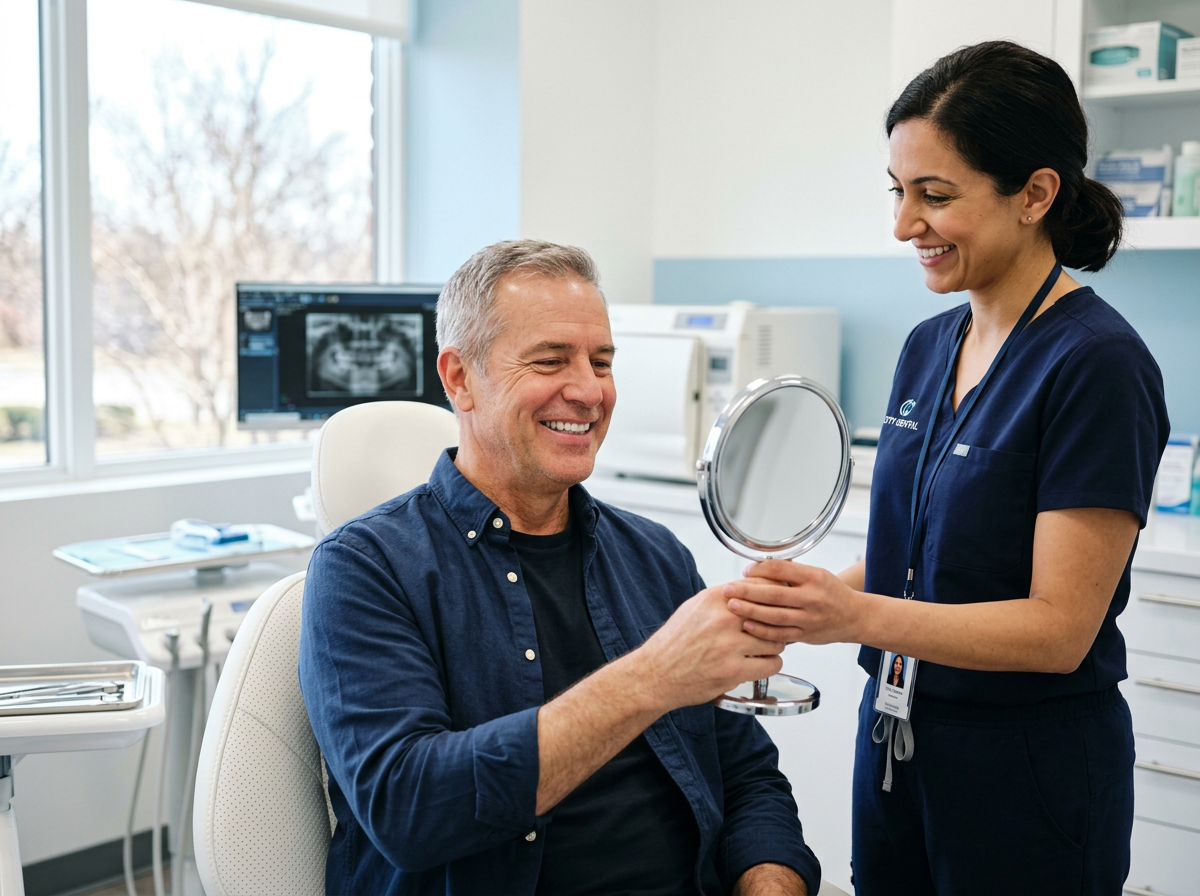
Dental Implants
Permanent, natural-feeling tooth replacement planned with 3D imaging and placed by experienced surgeons.
Learn more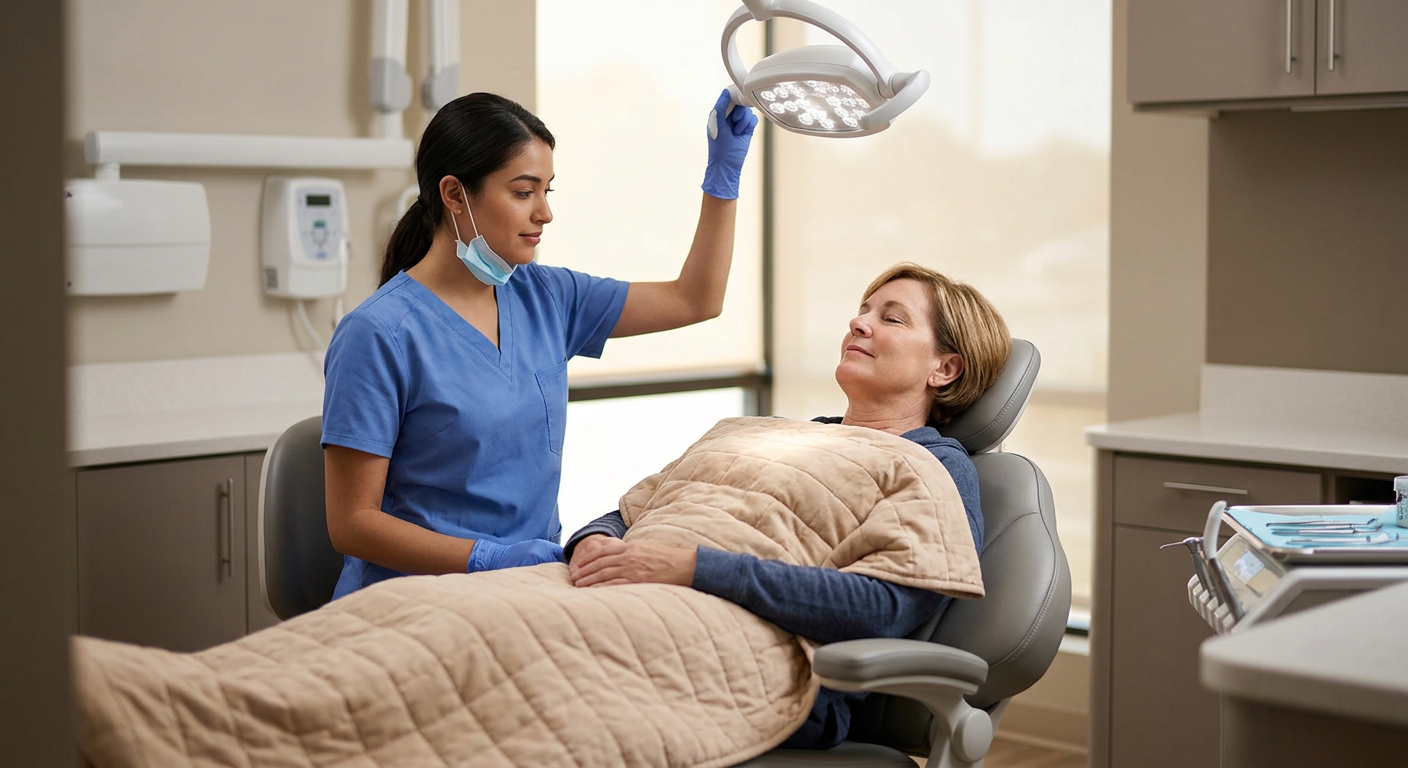
Surgery
Tooth Extractions
Gentle removal of damaged, infected or crowded teeth, with options to replace them later.
Learn moreDiagnosis & Imaging
CBCT 3D Imaging
A quick, low-dose 3D scan that shows teeth, bone and nerves for safer, more precise surgery.
Learn more
Ready to learn more about bone grafting?
Whether you've been referred by your dentist or are planning ahead, schedule a consultation to learn which option is right for you.